
Dream, Explore the Tranquility

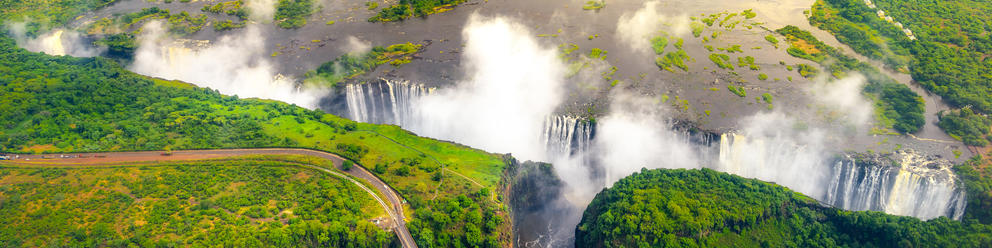

A Victoria Falls safari that includes Chobe gives travelers two of Southern Africa’s most memorable experiences in one journey: the roar and mist of one of the world’s great waterfalls, followed by wildlife safaris along one of Africa’s richest riverfront habitats. For many visitors, the appeal is simple: you can stand at the rainforest viewpoints of Victoria Falls one day and watch elephants, hippos, crocodiles, buffalo, giraffes, and big cats in and around Chobe National Park soon after. The best trip depends on your time, budget, travel style, and appetite for adventure travel.
How should you combine Victoria Falls and Chobe?
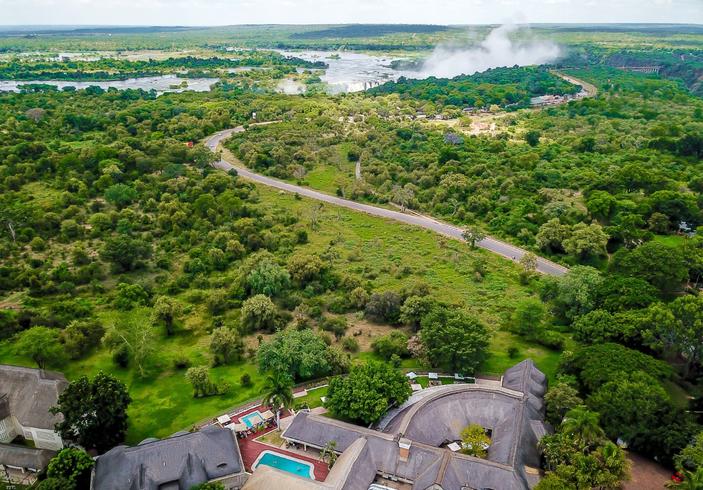
The easiest way to combine Victoria Falls and Chobe is to use Victoria Falls as your gateway, then travel by road through the Kazungula border area into Botswana for either a day safari or a multi-day stay. Chobe is commonly reached in about one to one and a half hours from the Victoria Falls area, making it practical even for travelers with limited time. A day trip gives you a taste of the Chobe River and a game drive, while a longer safari gives you more relaxed wildlife viewing, better chances across different times of day, and a deeper sense of place.
This pairing works especially well because the two experiences feel completely different. Victoria Falls is dramatic, loud, green, and cinematic, with mist rising above the gorge and rainforest paths leading to viewpoints. Chobe is slower and more watchful: guides read tracks, boats drift near riverbanks, and every bend can reveal elephants drinking, hippos surfacing, or crocodiles sunning on the mud.
For first-time visitors to Southern Africa, the route offers a satisfying balance. You get a natural wonder, classic safari scenery, and cross-border travel without needing to build a complicated itinerary from scratch. Still, “simple” does not mean “show up unprepared.” Visas, passport validity, family documents, transfer times, and seasonal conditions all matter.
The Victoria Falls experience sets the tone
Most Victoria Falls visits begin with a guided walk through the rainforest on the Zimbabwe or Zambia side, depending on where you are staying and which viewpoints you plan to visit. The paths are easy to follow, but a guide can add context about the gorge, local history, changing water levels, and the best places to pause for photos without blocking the trail.
The mood changes with the season. When the falls are at high flow, the spray can be intense, viewpoints may be wet, and photography becomes part planning and part luck. In lower-water periods, the rock formations are more visible, the curtain of water may be less uniform, and the gorge can feel more defined. Neither version is “wrong”; they simply offer different kinds of drama.
Victoria Falls is also a hub for adventure travel. Depending on season, safety conditions, and personal comfort level, visitors often consider helicopter flights, gorge activities, white-water rafting, sunset cruises, bungee jumping, or cultural and community-based experiences. These extras can add energy to the trip, but they should not be crammed in without thought. Leave time to rest, dry your shoes, charge your camera, and enjoy the setting rather than racing from one activity to the next.
A Chobe day trip delivers a strong safari sample
A typical Chobe day trip from Victoria Falls is designed to make the most of limited time. Travelers usually leave early, cross the border into Botswana, and begin with either a Chobe River boat cruise or a 4×4 game drive. Many itineraries include a riverside lunch before switching activities in the afternoon.
The boat safari is one of Chobe’s great advantages. Instead of watching wildlife only from tracks and roads, you glide along the river and observe animals from the water. Elephants may gather at the banks, hippos linger in pods, crocodiles rest near the shore, and birdlife can be excellent, with fish eagles, herons, and other species adding movement above the waterline.
The game drive brings a different rhythm. In an open safari vehicle, your guide can search woodland, floodplain edges, and tracks for buffalo, giraffe, antelope, zebra, and predators such as lions. Sightings are never guaranteed, and that uncertainty is part of safari. A good guide will not simply chase a checklist; they will explain behavior, habitat, tracks, and the small signs that make wildlife safaris so absorbing.
A day trip is ideal if:
- You have only one spare day near Victoria Falls.
- You want a first safari experience without changing hotels.
- You are traveling with a mixed group where some people prefer waterfalls and activities while others want wildlife.
- Your budget does not stretch to a longer Botswana safari.
- You want to sample Chobe before planning a future dedicated safari.
The trade-off is time. A day trip includes transfers, border procedures, and fixed activity windows, so it can feel full and fast. If your dream is slow mornings, evening campfires, repeated game drives, and less rushed photography, consider staying longer.
Multi-day safaris create a deeper Chobe journey
A multi-day Chobe safari changes the pace completely. Instead of squeezing the park into one busy day, you can experience wildlife at different hours, return to promising areas, and spend more time with guides who understand the movement of animals around the river and nearby habitats.
Longer packages may include Chobe National Park alone or combine it with other regional highlights such as the Okavango Delta, Hwange National Park, or additional time at Victoria Falls. These itineraries often range from a few days to well over a week, depending on the route and accommodation style. The more time you add, the more the trip shifts from “waterfall plus safari” to a fuller Southern Africa adventure.
Accommodation varies widely. Budget-conscious travelers may choose simple lodges or guesthouses. Mid-range travelers often look for comfortable lodges with guided activities included. Luxury guests may choose tented camps, riverfront lodges, private transfers, charter flights, or exclusive rooms with strong views and a more secluded atmosphere.
The biggest benefit of a multi-day safari is not just comfort. It is repetition. Wildlife viewing improves when you have more than one chance, especially for predators and unusual behavior. One drive may be quiet, while the next brings elephants crossing the road, lions resting in shade, or a sudden burst of bird activity near the river.
Day trip or multi-day safari: the practical choice
There is no universal “best” Victoria Falls safari format. The right choice depends on what you want the trip to do for you.
Choose a Chobe day trip if you want:
- A compact, high-impact safari from Victoria Falls.
- A lower overall cost than a multi-day itinerary.
- One hotel base with less packing and unpacking.
- A balanced day of river viewing and land-based game driving.
- A practical option for couples, families, or groups with limited vacation time.
Choose a multi-day safari if you want:
- More relaxed wildlife viewing with less pressure on a single outing.
- Early morning and late afternoon safari opportunities across more than one day.
- Better chances of varied sightings, including predators and quieter moments.
- A stronger lodge or camp experience.
- The option to combine Chobe with the Okavango Delta, Hwange, or other safari regions.
Costs vary significantly. Chobe day trips from Victoria Falls are often discussed in the broad range of about $100 to $300 per person, depending on inclusions, group size, transfers, park fees, and operator style. Multi-day safaris can range from roughly $1,000 to several thousand dollars per person, with luxury journeys extending far higher. Treat these figures as planning ranges, not final quotes. Always check what is included before comparing prices, because transfers, meals, drinks, visas, conservation fees, and activities can change the real value.
What wildlife can you expect in Chobe?
Chobe is especially famous for elephants, and it is often associated with one of Africa’s largest elephant concentrations, with estimates sometimes cited up to around 80,000 in the wider area. On a good river safari, elephants may appear in family groups, feeding near the bank, bathing, or crossing channels. These encounters can be intimate, but they should always be respectful: the goal is observation, not intrusion.
Hippos and crocodiles are major highlights on the Chobe River. Hippos may look still and almost comic from a distance, but guides will remind you that they are powerful wild animals that require space. Crocodiles can be easier to miss at first because they blend into riverbanks so well. Once you learn what to look for, the shoreline becomes much more alive.
On land, sightings may include buffalo, giraffe, zebra, antelope, baboons, warthogs, and lions. Birdlife can be rewarding even for travelers who do not consider themselves birders. Fish eagles, herons, kingfishers, storks, and bee-eaters can turn quiet moments into some of the best photography of the day.
Wildlife safaris work best when expectations are realistic. You may see a lion in the first hour, or you may spend a whole day appreciating elephants, birds, and antelope without a big-cat sighting. Safari is not a zoo schedule. The surprise is the point.
Seasons shape the waterfall and safari experience
The dry season, broadly May to October, is often preferred for wildlife viewing around Chobe because animals tend to gather closer to reliable water sources and vegetation is thinner. This can make sightings easier, especially near the river. The days may be warm to hot, and peak travel periods can book up early.
The wetter season, broadly November to April, brings greener landscapes, dramatic skies, migratory birds, and a different visual mood. Victoria Falls can feel especially powerful when water levels are high, though heavy spray may affect visibility at some viewpoints. Roads and wildlife patterns can also differ, so it is wise to ask your operator what to expect for your specific month.
If photography matters, think beyond “best season.” Morning and late afternoon light is usually more flattering than harsh midday sun. On the river, keep your camera ready but protected from spray, dust, and sudden movement. At Victoria Falls, a waterproof layer for your phone or camera can save a lot of stress.
Border crossings and documents deserve attention
The Victoria Falls to Chobe route usually involves crossing from Zimbabwe or Zambia into Botswana, often around Kazungula. For many travelers, the process is straightforward when arranged through a reputable operator, but it still requires preparation. Passport validity, blank pages, visa rules, and entry conditions can vary by nationality and can change, so confirm requirements before booking and again before departure.
Families should be especially careful. Children under 18 may need additional documents when crossing into Botswana, such as birth certificates and notarized consent from a non-traveling parent or guardian. Requirements can be strict, and missing paperwork can disrupt the day.
Before your safari, check the following:
- Your passport has enough validity beyond your travel dates.
- You understand visa requirements for Zimbabwe, Zambia, and Botswana, depending on your route.
- You know whether you need single-entry or multiple-entry permission if returning to the same country after Chobe.
- Children’s documents are complete, certified if needed, and easy to access.
- Your operator has explained border timing, transfer vehicles, and meeting points.
- You carry printed or offline copies of key reservations and emergency contacts.
Do not pack travel documents deep inside a suitcase. Keep them in a secure day bag that stays with you during transfers and border stops.
Small-group and private tours change the feel
Group size affects more than price. On a small-group safari, often around 8 to 15 guests depending on the operator and vehicle, you may have better access to your guide, easier movement for photography, and less waiting while everyone boards or disembarks. Smaller groups can also make the day feel more personal, especially if travelers share similar interests.
Private tours cost more, but they can be worthwhile for families, photographers, honeymooners, or travelers with specific pacing needs. A private arrangement may allow more flexibility around comfort stops, meal timing, and how long you linger at sightings. It can also reduce stress if you are traveling with children or older relatives.
That said, a shared tour can still be excellent when it is well run. Look for clear communication, realistic itineraries, properly maintained vehicles or boats, and guides who prioritize safety and respectful wildlife viewing. The cheapest option is not always the best value if it creates rushed transfers, overcrowded vehicles, or vague inclusions.
Packing well makes the day easier
A Victoria Falls and Chobe trip can move from misty rainforest paths to dusty safari roads and sunny river decks in a short time. Pack for changing conditions rather than one perfect forecast.
Useful items include:
- Lightweight neutral clothing for safari drives.
- A warm layer for early morning transfers or open vehicles.
- Comfortable walking shoes for Victoria Falls viewpoints.
- A rain jacket or poncho for waterfall spray.
- Sun protection, including hat, sunglasses, and sunscreen.
- Insect repellent, especially near water and in warmer months.
- A reusable water bottle if your operator allows or provides refills.
- Binoculars for birds, distant predators, and riverbank activity.
- A waterproof phone pouch or dry bag.
- Any personal medication, carried in your day bag.
Avoid overly bright clothing on safari, and do not bring luggage you cannot manage during border transfers. For cameras, extra batteries and memory cards are useful because long days, video clips, and burst photography can fill storage quickly.
Safety and respect are part of the adventure
Adventure travel should feel exciting, not careless. During transfers, use established operators, confirm pickup details, and avoid wandering away from designated border or meeting areas. Keep valuables discreet and documents secure, especially during vehicle changes.
Around wildlife, listen to your guide every time. Do not stand up unexpectedly in a vehicle, lean too far from a boat, call out to animals, or pressure guides to move closer than is safe. The most rewarding safari moments often happen when people stay quiet, patient, and observant.
Respect also extends to local communities and staff. Ask before photographing people, tip according to local norms when service has been good, and choose activities that treat culture as a real exchange rather than a staged interruption between headline attractions.
A sample flow for a balanced trip
A short but satisfying itinerary might include two nights at Victoria Falls and one or two nights near Chobe. Spend your arrival day settling in and seeing the falls if timing allows. Use the next day for a guided rainforest walk plus one optional activity, such as a sunset cruise or scenic flight. Then transfer to Chobe for a river safari and afternoon game drive, or stay overnight for another morning activity before returning or continuing deeper into Botswana.
With more time, add Hwange for a Zimbabwe-focused safari or continue into the Okavango Delta for a different ecosystem altogether. This creates a richer contrast: waterfall, riverfront wildlife, woodland game viewing, and delta channels.
The takeaway
A Victoria Falls safari combined with Chobe is one of the most accessible ways to blend natural spectacle with classic wildlife safaris. The key is choosing the right format: a day trip for a compact taste, or a multi-day itinerary for depth, comfort, and stronger safari rhythm. Prepare your documents, respect the border process, choose an operator carefully, and leave room for the unexpected. The best memories often come from the moments you cannot schedule: a herd moving silently through dust, a fish eagle calling over the river, or the first time the spray from Victoria Falls reaches you before the view does.