
Dream, Explore the Tranquility

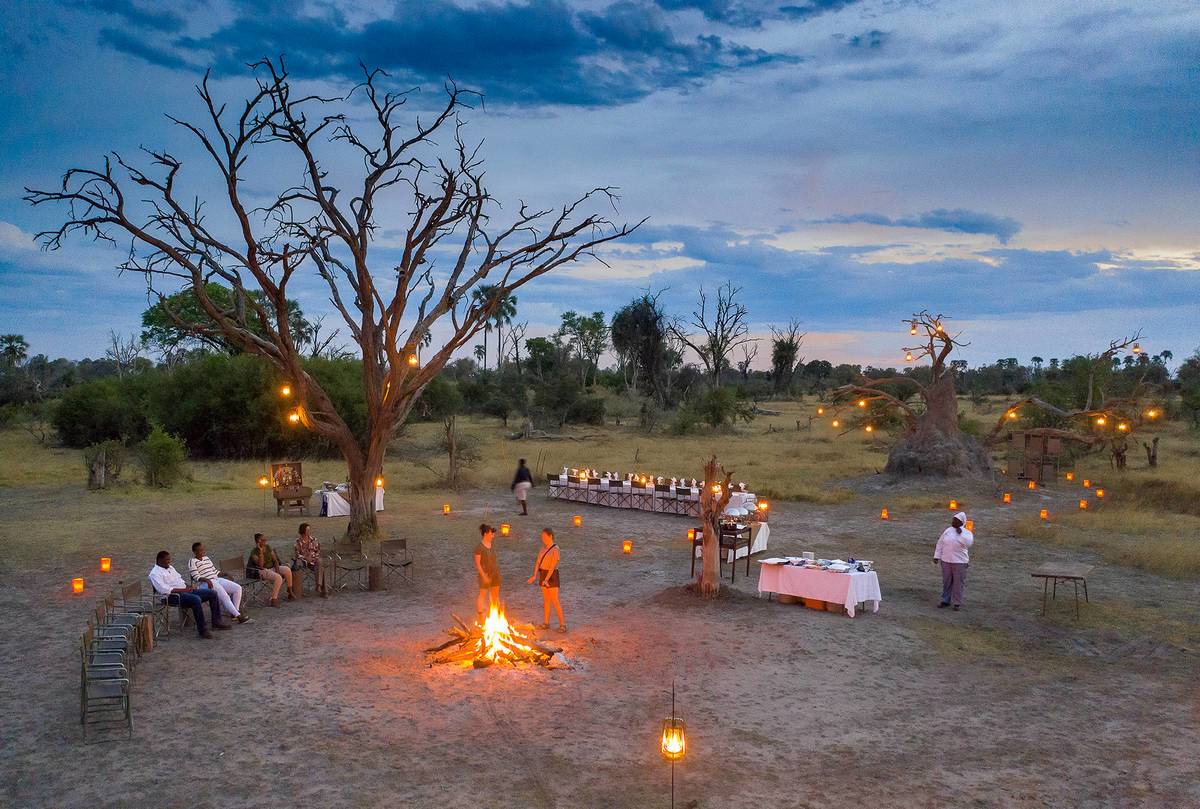

An Okavango Delta safari is one of Botswana’s most distinctive wilderness experiences: a journey into a vast inland wetland where channels, floodplains, islands, and open savanna create a safari that feels both wild and beautifully varied. An Okavango fly-in safari adds the thrill and convenience of reaching remote camps by light aircraft, turning travel time into part of the adventure. This guide explains what makes the okavango delta special, how fly-in safaris work, and how to choose the right style of botswana safari for your trip.

What makes an Okavango Delta safari different?
An Okavango Delta safari is different because it combines water, land, and air in one wilderness journey. The Delta is a rare wetland set within the dry landscapes of northern Botswana, and its annual flood helps support exceptional wildlife viewing during the dry season. UNESCO describes the area as an extraordinary wetland in an arid environment, with floodwaters arriving as a vital dry-season lifeline for wildlife. (whc.unesco.org)
That contrast shapes the entire safari experience. One morning may begin with a quiet mokoro ride through reed-lined channels. Later, you might track animals on a game drive across an island or follow fresh prints on a guided walk, depending on the camp, concession, and water levels.
Because much of the inner Delta is remote, the experience often feels intimate rather than crowded. UNESCO notes that tourism in the inner Delta is largely limited to small temporary tented camps with access by air, which is a major reason an Okavango fly-in safari is so closely associated with this region. (whc.unesco.org)
The fly-in format turns travel into scenery
A typical okavango fly-in safari begins with a flight into Botswana, often connecting through a safari gateway such as Maun or Kasane, before continuing by light aircraft to an airstrip near your camp. Exact routings vary by itinerary, season, and camp location, but the idea is simple: instead of spending long hours on rough roads, you fly over the landscape you came to see.
From the air, the Delta reveals itself in patterns: silver channels, green floodplains, palm islands, open grassland, and winding animal paths. For many travellers, that first low flight over the okavango delta is not just transport. It is the moment the safari truly begins.
Fly-in safaris are especially useful in Botswana because the distances between wilderness areas can be significant and some camps are intentionally remote. A well-planned itinerary may link Delta camps with other safari areas, creating a varied botswana safari without losing too much time between destinations.
Water, land, and wildlife all shape the experience
The Delta’s greatest appeal is variety. Water-based activities bring the silence and detail of the wetland close, while land-based activities create opportunities for broader wildlife viewing and tracking. Not every camp offers every activity at all times, so it is important to choose based on the experience you want rather than assuming all Delta camps are the same.
Common safari experiences may include:
- Game drives: Useful for covering ground and searching for larger mammals, predators, and general wildlife activity.
- Mokoro excursions: Traditional canoe-style journeys through shallow channels, usually focused on the smaller details of the wetland, from lilies and frogs to birds and reeds.
- Motorboat safaris: Often possible in deeper-water areas, giving a wider view of channels, lagoons, and aquatic wildlife.
- Guided walks: A slower, more interpretive way to learn about tracks, plants, insects, and the relationships between species.
- Scenic flights: Aerial views can help you understand the scale and seasonal complexity of the Delta.
The most rewarding Okavango Delta safari itineraries usually balance these activities. Too much moving around can make the trip feel rushed, but staying in one place may limit the range of habitats you experience. Many travellers choose two contrasting camps: one with strong water access and another with excellent land-based game viewing.
When is the best time for an Okavango fly-in safari?
The best time for an Okavango fly-in safari depends on whether you most want high water, concentrated wildlife, lush scenery, birdlife, or quieter travel periods. The Delta’s famous flood arrives during Botswana’s dry season, with UNESCO noting that the annual flood pulse revitalizes the system around June and July. (whc.unesco.org)
In general, the dry season from roughly May to October is popular for classic wildlife viewing. As surrounding areas dry out, permanent water and floodplains become increasingly important to animals. Temperatures are cooler in the middle of the dry season, then rise toward the hotter months later in the year.
The green season, often associated with the summer rains, brings a different mood. Landscapes become fresher, skies can be dramatic, and birding can be especially rewarding. Wildlife may be more dispersed because water is more widely available, but the Delta can feel wonderfully alive, colourful, and less predictable.
If water activities are a priority, ask specifically about the camp’s location and typical seasonal conditions. Flood levels vary from year to year, and activities can change with water depth, safety, and local conditions.
Choosing the right camp style
The phrase “Okavango Delta safari” can describe many different trips. Some camps focus on high-comfort lodge stays with polished service. Others are simpler, more traditional tented camps where the atmosphere is closer to the bush. Botswana Tourism notes that the country offers a range of accommodation options, from luxury lodges and safari camps to budget guesthouses and camping grounds. (botswanatourism.co.bw)
Your ideal camp depends on your priorities. If you want privacy, quiet, and access to varied activities, a remote concession camp may be a strong fit. If you want a broader Botswana itinerary, you may combine the Delta with areas such as Moremi, Chobe, or other wilderness regions, depending on routing and availability.
When comparing camps, look beyond room photos. Ask practical questions:
- Which activities are usually offered? Confirm whether the camp typically provides game drives, mokoro excursions, boating, walks, or a mix.
- Is the camp water-based, land-based, or mixed? This affects the rhythm of each day.
- How many nights are recommended? Two nights can work, but three often gives you more breathing room.
- How remote is the camp? Remoteness can add magic, but it also shapes logistics and flexibility.
- What is the guiding style? Strong guiding can transform a good safari into a deeply memorable one.
A balanced Botswana safari itinerary
A strong botswana safari often works best when it has contrast. The Okavango Delta delivers water, floodplains, islands, and a sense of immersion. Other areas can add different habitats, larger dryland landscapes, riverfront wildlife, or desert-adapted experiences.
For a first-time visitor, a simple structure may include:
- Arrival night: A practical overnight near a gateway if flight timing requires it.
- First Delta camp: Focus on water activities, mokoro outings, boating, and wetland atmosphere.
- Second Delta or nearby camp: Add stronger land-based wildlife viewing and game drives.
- Optional extension: Include another Botswana region for a broader sense of the country.
This kind of itinerary keeps the okavango fly-in safari at the centre while avoiding repetition. It also allows weather, water levels, and wildlife movement to work in your favour. No safari can guarantee specific sightings, but variety gives each day more possibilities.
What to pack for comfort and ease
Packing well makes a fly-in safari smoother. Light aircraft usually have stricter luggage requirements than large commercial flights, and soft-sided bags are often preferred because they fit more easily into small aircraft holds. Always confirm current baggage rules with your operator before departure.
A practical packing checklist includes:
- Neutral-coloured, lightweight clothing for daytime safari activities.
- A warm layer for early mornings and evenings, especially in the cooler dry-season months.
- Comfortable closed shoes for camp and possible walking activities.
- Sun protection, including a hat, sunglasses, and high-SPF sunscreen.
- Binoculars, which can greatly improve wildlife and birding experiences.
- Camera gear with spare batteries or charging options.
- Personal medication and basic travel essentials in your hand luggage.
- A small day bag for flights and activities.
Avoid overpacking. Safari days are usually casual, and many camps provide laundry service, though availability and turnaround times vary. The goal is to bring what helps you enjoy the wilderness, not to manage heavy luggage between small aircraft and remote camps.
Responsible travel in the Delta
The okavango delta is not just a beautiful destination. It is a living ecosystem, a home for local communities, and a carefully managed wilderness area. Responsible travel helps keep the experience meaningful for future visitors and beneficial for people connected to the landscape.
Good safari etiquette is straightforward. Listen to your guide, keep noise low around wildlife, never pressure guides to move too close, and stay on approved routes where rules require it. On water, quiet observation is part of the magic; rushing through channels misses the point.
It also helps to travel with realistic expectations. Wildlife is not staged. Some drives are dramatic, others are subtle, and the quieter moments often reveal the most: a fish eagle calling over a lagoon, the sound of reeds in the wind, or the sudden stillness that tells your guide something nearby has changed.
Final takeaway
An Okavango Delta safari is ideal for travellers who want more than a checklist of sightings. It offers a layered wilderness experience shaped by floodwaters, islands, wildlife movement, expert guiding, and remote camps reached by air. Choose an Okavango fly-in safari if you value time, access, scenery, and the feeling of arriving deep in the wild from the moment your light aircraft lifts above Botswana.
The best trip is the one designed around your travel style: water or land, comfort or simplicity, short escape or longer botswana safari. Plan with the seasons in mind, choose camps for their habitats and activities, and leave space for the Delta to surprise you.