
Dream, Explore the Tranquility


Going on a self drive safari in Botswana offers a unique blend of adventure, freedom, and intimate wildlife encounters. As one of southern Africa’s premier safari destinations, Botswana’s vast wilderness areas, including its world-renowned national parks and reserves, provide an extraordinary backdrop for exploration.
Whether you are a seasoned traveler or a first-time visitor, this guide to a self-drive safari in Botswana will equip you with everything you need to plan a fantastic trip, from choosing the right vehicle and navigating challenging terrain to selecting the best parks and understanding essential safety precautions.
Get ready to experience Botswana’s breathtaking landscapes and abundant wildlife on your own terms, creating memories that will last a lifetime.
Overview of a Self Drive Safari
A self drive safari in Botswana is an incredible adventure that puts you in control of your journey through one of Africa’s most spectacular wildlife destinations. Did you know that Botswana protects roughly 40% of its land as wildlife reserves and national parks?
This vast expanse offers you an unparalleled opportunity to witness wildlife roaming freely in pristine habitats. By choosing a self-drive safari, you gain the freedom to explore these landscapes at your own pace, crafting an itinerary that suits your interests and schedule.
Self drive safaris are perfect for those who crave adventure and independence, allowing you to experience Botswana’s stunning scenery and diverse wildlife firsthand.
You’ll have the chance to enjoy game drives in renowned parks like Chobe National Park and Moremi Game Reserve, getting up close to elephants, lions, giraffes, and many other fascinating creatures.
Planning Your Botswana Safari
Planning your self drive safari in Botswana involves several important considerations to ensure a smooth and enjoyable trip. Timing is key: the dry season, from May to October, is widely regarded as the best period to visit. During these months, the weather is cooler and drier, making wildlife easier to spot as animals gather around water sources.
To avoid last-minute hassles, it’s essential to book your accommodations and car rental well in advance, especially if you plan to travel during peak season. Working with local operators can be a huge help—they offer expert advice, assist with campsite bookings, and can facilitate border crossing arrangements if your itinerary includes multiple countries.
Choosing the Right Vehicle for Off Road Driving
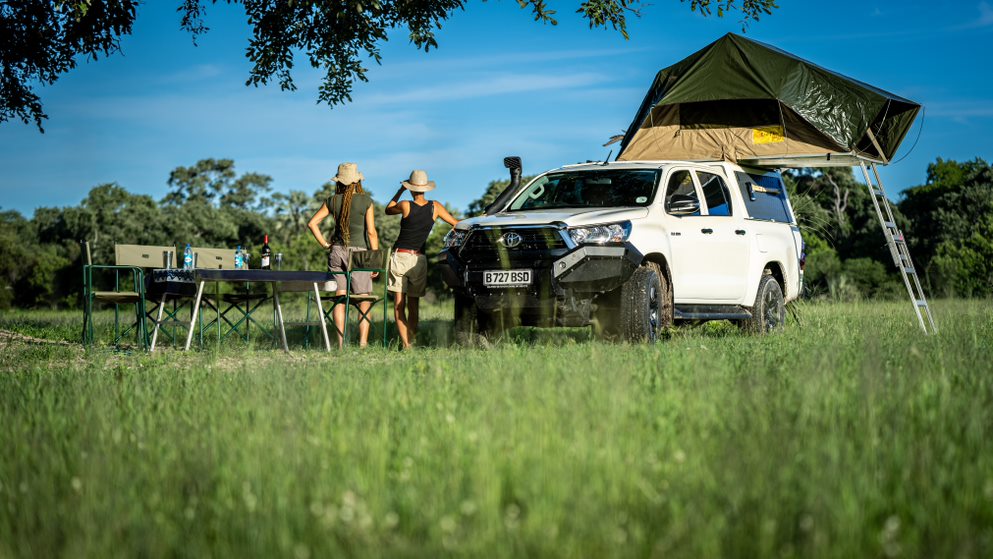
Selecting the right vehicle is crucial for your self drive safari. Botswana’s terrain can be challenging, with sand tracks, deep sand, and dirt roads that require a capable 4×4 vehicle. A Toyota Land Cruiser or similar model is highly recommended for its durability and off-road performance.
When renting your vehicle, ensure it is well-maintained and comes equipped with essential gear such as a satellite phone, spare tires, and recovery equipment. Verify your insurance coverage and ensure you have all necessary documents before departing.
Navigation and Communication
Navigating Botswana’s remote wilderness requires reliable tools. GPS devices or mapping apps like Tracks4Africa are invaluable for finding your way, but don’t rely solely on your phone’s GPS, as the signal can be limited in some areas. Carrying a physical map and compass as a backup is a wise precaution.
For communication, consider renting or purchasing a satellite phone, especially if you plan to travel in very remote regions.
Two-way radios or walkie-talkies are useful for staying in touch with your travel companions and receiving updates from local guides or park officials.
National Parks and Reserves
Chobe National Park
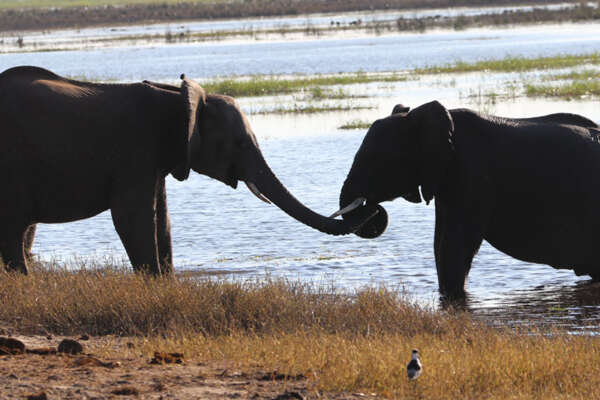
Chobe National Park is a highlight of any safari in Botswana. Famous for its large elephant herds—the largest concentration in Africa it offers a diverse array of wildlife, including lions, leopards, and giraffes. You can expect to enjoy excellent game drives through diverse landscapes, including savannas, woodlands, and wetlands.
Booking accommodations and park fees in advance is essential, especially during the busy dry season, to secure your spot in this popular destination.
Moremi Game Reserve
Situated within the Okavango Delta, Moremi Game Reserve is another must-visit location. Its unique blend of wetlands, savannas, and woodlands supports a rich variety of wildlife, including elephants, buffalo, and antelopes.
Moremi offers numerous game driving routes and trails, providing you with the opportunity to explore diverse habitats and encounter a wide array of animals. Staying in a luxury lodge or well-equipped campsite within the reserve enhances your experience with comfort and excellent service.
Safety Precautions
Your safety is paramount during your self drive safari. Always drive carefully and defensively, especially on sand tracks and dirt roads, where traction can be challenging. Stay alert to your surroundings and adhere strictly to the guidelines provided by local operators and park rangers.
Traveling with a partner or group is advisable in case of emergencies or vehicle breakdowns. Carry a basic first aid kit and emergency supplies, and respect the natural environment and wildlife by following all rules and regulations.
Health and Vaccinations
Before your trip, consult a healthcare professional or travel clinic to get recommended vaccinations and medications. Malaria is a risk in Botswana; therefore, taking antimalarial medication and using insect repellent is crucial.
Ensure you have travel insurance that covers medical emergencies and evacuations. Stay hydrated and carry enough water and snacks, especially when traveling through remote areas.
Visa and Entry Requirements
Check the visa requirements for your nationality well in advance of your trip. Many visitors can obtain a visa on arrival or apply for an e-visa in advance. Always carry a valid passport with sufficient validity and blank pages.
Make sure your vehicle insurance and registration documents comply with Botswana’s regulations for self drive safaris.
Currency and Banking
Botswana’s official currency is the Pula. While credit and debit cards are widely accepted in urban areas and hotels, cash remains the preferred method in rural towns and villages. It’s wise to carry sufficient cash and be mindful of foreign transaction fees.
ATMs are available in major towns like Maun and Kasane, but may be scarce in remote areas, so plan accordingly. When managing your finances during your trip, it’s helpful to know the top retail banks in Botswana that offer reliable services and convenient access.
For a comprehensive overview of Botswana’s leading retail banks, you can visit Brimco’s list of top retail banks in Botswana. This resource offers valuable insights into banking options, enabling you to make informed decisions about where to manage your finances while exploring the country.
Accommodations and Camping
Botswana offers a wide range of accommodations to suit every traveler’s preference and budget, from luxurious lodges to mid-range campsites and affordable guesthouses scattered throughout the country’s national parks and reserves.
Luxury lodges offer exceptional comfort, gourmet meals, and often include guided game drives and other exclusive activities, making them an ideal choice for travelers seeking a pampered safari experience.
Mid-range campsites strike a balance between comfort and adventure, offering well-equipped facilities such as clean bathrooms, shaded areas, and sometimes even electricity, while still allowing guests to feel immersed in the natural surroundings.
For the more adventurous or budget-conscious, budget-friendly guesthouses and basic campsites provide a more rustic experience, often managed by local communities, offering a unique cultural perspective and close contact with Botswana’s wilderness.
Booking your accommodations well in advance is crucial, especially during the peak dry season when demand is at its highest. Many popular campsites and lodges fill up quickly, so securing your spot early ensures you can follow your planned itinerary without compromise.
Regardless of where you stay, it is important to respect the rules and guidelines set by the accommodation providers, which are designed to protect both guests and wildlife.
Always be mindful of noise levels, waste disposal, and interactions with animals to minimize your environmental impact and support local communities.
Activities and Excursions
To enrich your self drive safari experience, consider participating in a variety of activities and excursions available across Botswana’s parks and reserves.
Guided game drives are a highlight, offering expert insights into animal behavior and the ecosystem, enhancing your chances of spotting elusive wildlife.
Many lodges and camps organize both daytime and night game drives, providing opportunities to see nocturnal species and unique animal behaviors that are not visible during the day.
Boat cruises on the Chobe Riverfront are another popular activity, allowing you to observe elephants, hippos, crocodiles, and a plethora of bird species from the water. These cruises offer a tranquil and scenic way to experience the wildlife and landscapes of the riverine environment.
Walking safaris, led by experienced guides, provide an intimate connection with the bush, focusing on smaller creatures, tracks, and plants that often go unnoticed on vehicle-based game drives.
To maximize your access to these activities and destinations, it is advisable to purchase park fees and activity packages in advance. This not only secures your participation but can also provide cost savings and convenience by bundling multiple experiences into one package.
Planning ahead ensures you can tailor your itinerary to include the excursions that interest you most, making your trip truly memorable.
Vehicle Maintenance
Maintaining your vehicle in optimal condition is essential for a successful self drive safari in Botswana.
Regularly inspect your vehicle during your journey, paying close attention to key aspects such as oil levels, tire pressure, brakes, and coolant levels. Botswana’s terrain can be demanding, with sand tracks, deep sand, and rough dirt roads that place extra strain on your vehicle.
It is highly recommended to carry a comprehensive toolkit, spare tires, and essential spare parts to handle minor roadside repairs. Familiarize yourself with basic maintenance tasks, such as changing a tire, topping up fluids, and jump-starting the battery, to be prepared for common issues.
Following advice from local mechanics and operators can be invaluable, as they understand the specific challenges posed by Botswana’s environment and can recommend the best practices and products to keep your vehicle running smoothly.
Being proactive with vehicle maintenance not only prevents breakdowns but also ensures the safety of you and your travel companions. Should you encounter mechanical problems beyond your expertise, having reliable contact information for local repair services and roadside assistance is crucial.
Emergency Procedures
Preparation is key when it comes to handling emergencies on a self drive safari in Botswana. Develop a clear emergency plan before your trip, including protocols for medical situations, vehicle breakdowns, and getting lost in remote areas.
Carry essential emergency supplies such as a well-stocked first aid kit, a reliable flashlight with spare batteries, a fire extinguisher, and emergency blankets.
In the event of a medical emergency, be aware of the locations and contact details of the nearest medical facilities and have a means of communication, such as a satellite phone, to call for help when outside mobile network coverage is unavailable. For vehicle-related emergencies, ensure you have recovery equipment, such as tow ropes, a jack, and traction aids.
Keep emergency contact numbers for local authorities, park rangers, and your tour operator or rental agency easily accessible. Follow all instructions provided by local officials and operators during emergencies, and prioritize your safety and that of your group at all times.
Practicing caution and preparedness will help you enjoy your safari with confidence and peace of mind.
Frequently Asked Questions
What is a self drive safari in Botswana?
A self drive safari in Botswana means you rent a suitable vehicle and navigate the country’s parks and reserves independently. This allows you to explore at your own pace, create your own itinerary, and enjoy a flexible, immersive safari experience.
When is the best time to go on a self drive safari in Botswana?
The best time to visit is during the dry season, from May to October. Wildlife congregates around water sources, making game viewing easier, and the weather is generally cooler and more comfortable.
What kind of vehicle do I need for a Botswana self drive safari?
You should rent a 4×4 vehicle, such as a Toyota Land Cruiser, that is capable of handling sand tracks, dirt roads, and deep sand. Ensure it is well-maintained and equipped with necessary safety and recovery gear.
Do I need a guide for a self drive safari?
No, a self drive safari means you drive yourself without a guide. However, some travelers opt to hire local guides for specific excursions or to enhance their wildlife spotting experience.
What safety precautions should I take on a self drive safari?
Drive carefully and defensively, especially on challenging terrain. Travel with a companion if possible, carry emergency supplies, follow park rules, and respect wildlife. Stay informed about the weather and road conditions.
Can I camp during my self drive safari?
Yes, camping is a popular option and can offer an authentic bush experience. Make sure to book campsites in advance and follow all safety guidelines, including not leaving your campsite after dark without an escort.
How do I handle navigation in remote areas?
Use reliable GPS devices or mapping apps, such as Tracks4Africa, but also carry physical maps and a compass as backups. Satellite phones and two-way radios can be helpful for communication in remote areas.
What are the visa requirements for Botswana?
Visa requirements vary by nationality. Many visitors can obtain a visa on arrival or apply for an e-visa in advance. Always check current regulations before traveling and ensure your passport is valid for at least six months.
How much does a self drive safari in Botswana cost?
Costs vary depending on vehicle rental, accommodation, park fees, fuel, and activities. Booking in advance and selecting budget-friendly options can help manage expenses effectively. Expect costs to be higher during peak season.
Are there any health risks I should be aware of?
Malaria is a risk in Botswana, especially during the rainy season. Take antimalarial medication as prescribed, use insect repellent, and wear protective clothing. Also, ensure you are up to date on routine vaccinations.