Dream, Explore the Tranquility
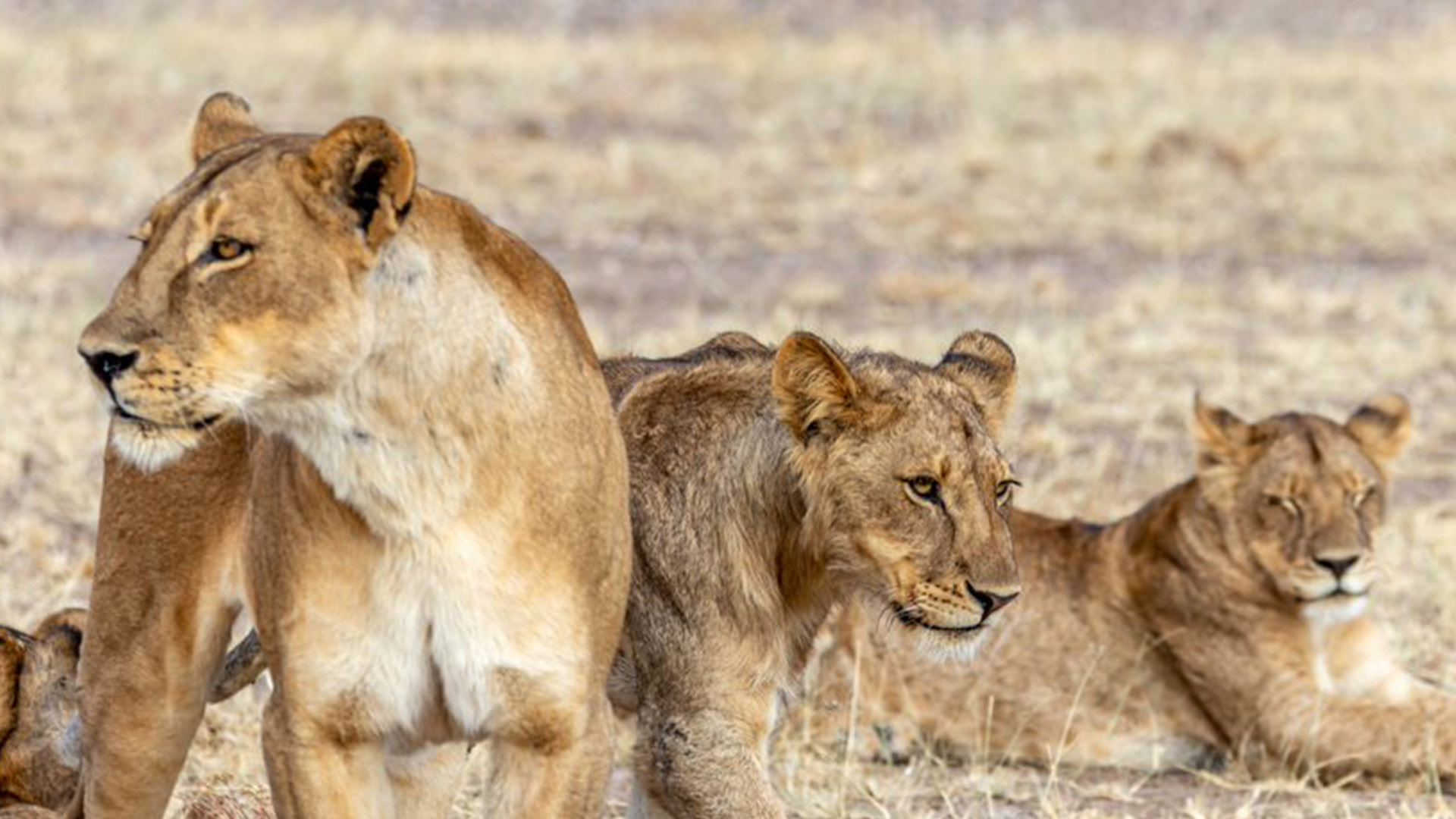

Botswana is one of Africa’s most rewarding destinations for photographers because its landscapes change dramatically from floodplain to desert, and its wildlife experiences often feel intimate, quiet, and unhurried. A Botswana photographic safari can take you from the mirrored channels of the Okavango Delta to the elephant-rich Chobe River and the stark, cinematic pans of the Kalahari. This guide explains where to go, what to expect, and how to prepare so you can return with stronger images and a better understanding of the story behind each frame.
Planning a trip now? Detour Africa Expeditions builds custom Botswana itineraries designed for photographers—time in the right habitats, at the right light, with the right guiding. Explore Botswana safaris or request a photography-focused quote.
Why is Botswana such a strong destination for safari photography?
Botswana offers a rare mix of abundant wildlife, varied habitats, and low-impact safari experiences, which makes it especially appealing for photographers who want time and space to compose thoughtfully. Instead of chasing a checklist, many safari areas reward patience: waiting for elephants to cross a channel, watching painted dogs regroup after a hunt, or following golden light as it moves across open floodplains.
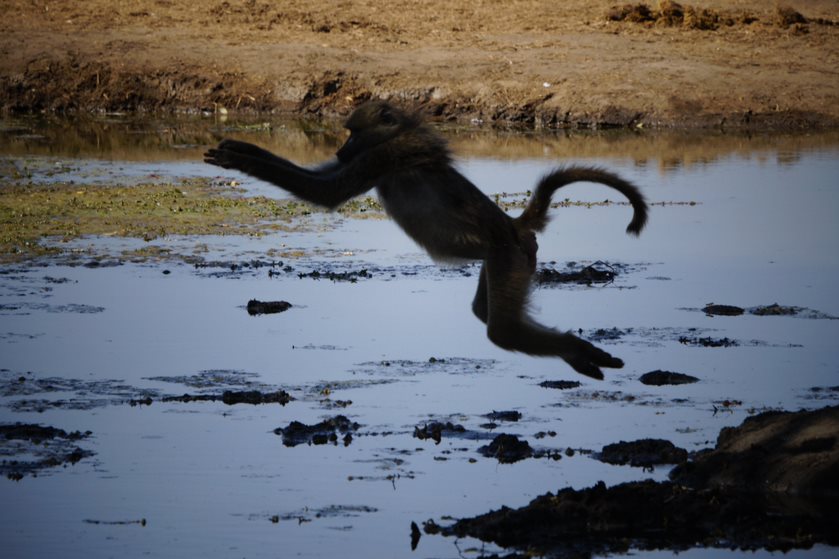
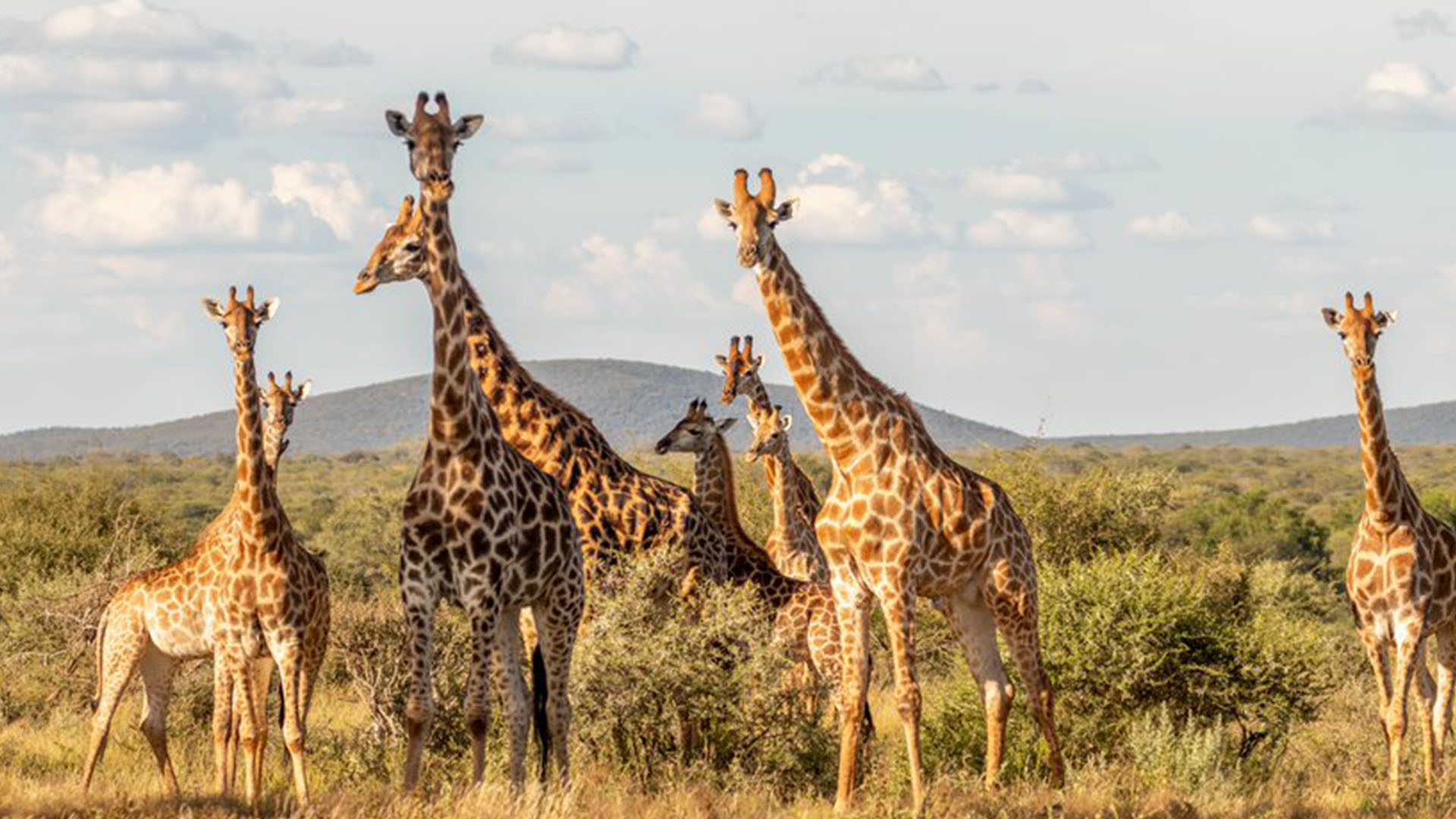
The country is also known for wild, unfenced ecosystems where animals move naturally across large landscapes. That matters for photography because behavior is often more compelling than a simple portrait. A lion walking through dust, a lechwe leaping through water, or a giraffe silhouetted against a stormy sky can say far more than a perfectly centered close-up.
For many travelers, the appeal of a wildlife safari botswana experience is the balance between comfort and wilderness. Camps are often small, guiding is central to the experience, and game drives or boat activities can feel deeply connected to place. For photographers, that combination creates opportunities for variety, storytelling, and better fieldcraft.
Botswana’s photographic personality
Botswana is not a single visual mood. It is a collection of very different photographic environments, each with its own rhythm, light, and challenges. The best images often come from understanding those differences before you arrive.
In the Okavango Delta, water defines the frame. Reflections, reeds, lilies, soft backlight, and animals moving through channels create layered compositions. In Chobe, scale often becomes the subject, especially when large elephant herds gather near the river. In the Kalahari, minimalism takes over: clean horizons, desert-adapted wildlife, dramatic skies, and quiet negative space.
This variety is why a Botswana photographic safari can suit many photographic styles. If you love action, predator sightings and bird behavior can be excellent. If you prefer mood, color, and atmosphere, Botswana’s sunrise mist, dust, floodwater, and open sky give you plenty to work with.
Key safari regions for photographers
The Okavango Delta
The Okavango Delta is one of Botswana’s signature photographic landscapes. Seasonal floodwaters spread across grasslands and channels, creating an extraordinary setting for both land and water-based photography. Depending on the camp and water levels, activities may include game drives, mokoro excursions, and boat safaris.
For photographers, the Delta rewards careful composition. Water can clutter a frame, but it can also simplify it when used well. Look for clean reflections, animals framed by reeds, birds taking off from the water, and backlit spray when elephants feed or cross channels.
The Delta is also a place to think beyond the longest lens. Wide scenes can be powerful here, especially when wildlife appears within a larger landscape. A small group of elephants under a huge sky may communicate the feeling of the Delta better than a tight crop of a single face.
Internal link opportunity: If you have a specific page for this region, link here to your Okavango Delta safari options.
Chobe National Park and the Chobe River
Chobe is particularly famous for elephants, and the riverfront can be excellent for photographers who enjoy behavior and interaction. Boat-based photography is a major advantage because it can place you at eye level with drinking, swimming, and bathing animals. This lower angle often creates more immersive images than shooting down from a vehicle.
The river environment is also productive for birds, hippos, crocodiles, buffalo, and antelope. Late afternoon light can be especially beautiful over the water, turning simple scenes into warm, graphic compositions. Watch for silhouettes, rim light, and reflections rather than only waiting for close encounters.
Because Chobe can be busier than more remote areas, patience and positioning matter. A good guide can help you avoid crowding, anticipate movement, and choose moments with cleaner backgrounds.
Internal link opportunity: Add a link to your Chobe safari itinerary or river cruise page.
Moremi Game Reserve
Moremi sits within the Okavango system and offers a strong mix of woodland, floodplain, lagoon, and open grassland. This variety makes it useful for photographers who want both classic mammal sightings and environmental images. Lions, leopards, wild dogs, elephants, buffalo, and many antelope species may be encountered, though sightings always depend on season, movement, and luck.
Moremi’s strength is diversity. One morning might bring a predator sighting in dappled woodland, while the afternoon offers birds in glowing wetland light. The challenge is to adjust quickly as the background changes from cluttered bush to open floodplain.
When working in woodland, pay close attention to distractions. Branches, harsh sun patches, and busy backgrounds can weaken an image. Moving a vehicle slightly, waiting for an animal to step forward, or changing your focal length can make a major difference.
Internal link opportunity: Link to your Moremi Game Reserve safari page if available.
The Central Kalahari and Makgadikgadi Pans
The Kalahari and Makgadikgadi offer a different kind of safari photography. These are not always about dense wildlife concentrations. They are about space, adaptation, texture, and atmosphere.
In the Central Kalahari, look for desert-adapted animals, open-country predators, and striking environmental portraits. The light can be bold, the horizons clean, and the sense of isolation powerful. In Makgadikgadi, the salt pans create surreal minimalist scenes, especially when the sky is dramatic or the surface becomes reflective after rain.
These regions are ideal for photographers who want images that feel different from the familiar safari frame. Use negative space intentionally. Let the landscape breathe. Sometimes the strongest photograph is not the closest one, but the one that shows how small an animal appears within a vast environment.
Internal link opportunity: Link to your Kalahari or Makgadikgadi safari page.
What should you pack for a Botswana photographic safari?
Pack for flexibility, dust, light changes, and limited space rather than trying to bring every piece of gear you own. Botswana can present close wildlife, distant action, birds in flight, low-light scenes, and wide landscapes, often on the same day. The goal is to carry equipment that lets you respond quickly without slowing down the experience.
A practical photography kit may include:
- Two camera bodies, if possible, so you can keep different lenses ready and avoid changing lenses in dust.
- A telephoto lens for wildlife portraits, behavior, and distant subjects.
- A mid-range zoom for animals near the vehicle, camp scenes, and environmental images.
- A wide-angle lens for landscapes, night skies, dramatic clouds, and wildlife within habitat.
- Fast memory cards and backups, because long sightings and burst shooting can fill storage quickly.
- Extra batteries, especially if you review images often or shoot in cooler early mornings.
- Beanbag or soft support, useful for stabilizing a camera on vehicle rails.
- Dust protection, including a blower, microfiber cloths, and simple covers.
- Neutral clothing, not for the camera, but for comfort and blending into the safari environment.
Avoid packing so much that you cannot move comfortably. On safari, speed and awareness often matter more than having the perfect lens in your bag. If changing gear causes you to miss behavior, simplify your setup.
Safari photography tips for stronger images
The best safari photography tips are not only technical. They are about anticipation, respect, and visual decision-making. Botswana gives you extraordinary subjects, but the photographer still needs to shape the frame.
Work with light, not against it
Early morning and late afternoon usually provide softer, warmer light, and that is when many safari activities are scheduled. Use side light to reveal texture in fur, feathers, dust, and grass. Use backlight for drama, especially when animals move through water, dust, or mist.
When the sun is high, do not give up. Harsh light can work for black-and-white images, tight graphic compositions, or behavior shots where the moment is more important than perfect tones. You can also use the time to photograph details: tracks, patterns, landscapes, camp life, or birds in shade.
Focus on behavior
A sharp portrait is satisfying, but behavior gives an image life. Watch for interactions: grooming, feeding, drinking, hunting, playing, calling, and reacting to other animals. These moments help viewers understand what was happening, not just what the animal looked like.
Anticipation comes from observation. If elephants are moving toward water, prepare before they arrive. If birds are restless, they may take off. If a predator is staring in one direction, something outside your frame may be about to happen.
Compose with the whole frame
Safari excitement makes it easy to fixate on the animal and ignore everything else. Before pressing the shutter, check the edges of your frame, the background, the direction of light, and the animal’s posture. A slight change in vehicle position or focal length can remove distractions and strengthen the story.
Leave space in the direction an animal is looking or moving. Use grasses, trees, waterlines, and shadows as design elements. In Botswana especially, habitat is part of the image, so do not be afraid to pull back.
Protect the experience
Good photography should not come at the cost of animal comfort or guest safety. Avoid pressuring guides to move too close, block an animal’s path, or crowd a sighting. Ethical choices often lead to better photographs because relaxed animals behave naturally.
A respectful approach also improves the atmosphere for everyone in the vehicle. Safari photography works best when patience, quiet, and shared awareness become part of the routine.
Image optimisation for a Botswana safari photography article
You asked for strong image optimisation—these steps help your page load fast, rank better in image search, and convert readers who are planning a trip (without adding AI-generated images).
- Use real, location-specific images from Botswana (your own library, clients, or licensed stock). Prioritize originality over generic wildlife shots.
- Choose the right format: export as WebP where possible (or high-quality JPEG if your CMS requires it).
- Keep file sizes tight: aim for ~150–300 KB for most inline images (larger only for hero images), and compress responsibly.
- Use descriptive filenames: e.g., okavango-delta-elephant-crossing.webp instead of IMG_1234.jpg.
- Write purposeful alt text that describes what’s in the image (and the location) in natural language. Example: “Elephant herd crossing a channel in the Okavango Delta at sunrise”.
- Add captions for context and trust (park/region, season, activity). Captions are read more than body text and can support conversions.
- Use responsive images (srcset/sizes in your CMS) so mobile users don’t download desktop-sized files.
- Lazy-load below-the-fold images and set width/height attributes to reduce layout shift.
- Map images to intent: include at least one image that signals “photography-first” (beanbag setup in vehicle, guide positioning, photographer shooting in golden light).
Suggested image placements (with example alt text):
- Hero image: Okavango Delta floodplain at sunrise. Alt: “Sunrise over the Okavango Delta floodplains in Botswana.”
- Okavango section: mokoro or elephant in water. Alt: “Elephant wading through an Okavango Delta channel with reflections.”
- Chobe section: elephants on the riverfront. Alt: “Elephants gathering on the Chobe River bank in late afternoon light.”
- Kalahari/Pans section: minimalist scene. Alt: “Gemsbok standing in the Central Kalahari under dramatic storm clouds.”
- Practical tip image: camera on beanbag. Alt: “Telephoto lens supported on a beanbag during a game drive in Botswana.”
Building a visual story instead of a random gallery
A strong safari collection is more than a set of hero shots. Think like a storyteller from the start of the trip. Botswana’s landscapes, camps, guides, weather, tracks, birds, mammals, and quiet moments all help build a fuller narrative.
Aim to capture a mix of image types:
- Establishing scenes that show habitat, weather, and scale.
- Wildlife portraits with clean light and strong eye contact.
- Behavioral moments that reveal movement, tension, or connection.
- Details and textures such as feathers, mud, bark, ripples, prints, or grass.
- Human context when appropriate, such as a guide scanning tracks or a vehicle crossing open country.
- Transitions like sunrise departures, storm clouds, firelight, or the quiet return to camp.
This approach helps you avoid returning with hundreds of similar images. It also makes your final edit more meaningful, whether you create a photo book, portfolio, slideshow, or personal archive.
Timing, patience, and realistic expectations
Botswana is wild, and that is part of its value. No destination can guarantee specific sightings or perfect conditions. Weather, water levels, animal movement, vehicle access, and camp location all influence what you see.
Instead of building the trip around a single dream shot, build it around readiness. Keep your camera settings close to usable, listen to your guide, and stay engaged even when nothing obvious is happening. Some of the best moments begin quietly: alarm calls in the distance, dust rising beyond the trees, or a herd suddenly changing direction.
Patience is especially important for photographers. It can be tempting to move on after a few frames, but behavior often unfolds slowly. If the light is improving, the animal is relaxed, and the setting is strong, staying longer may be the best decision of the day.
Common mistakes to avoid
Even experienced photographers can struggle on safari because the environment is fast-moving and unpredictable. A few small habits can prevent many missed opportunities.
Watch out for these common mistakes:
- Shooting every sighting the same way. Vary your focal length, angle, and composition.
- Ignoring shutter speed. Wildlife moves quickly, and vehicle vibration can soften images.
- Overcropping in the field. Leave room for movement, context, and later editing.
- Forgetting backgrounds. A messy branch or bright patch can distract from the subject.
- Reviewing images too often. Important behavior may happen while you are looking at the screen.
- Changing lenses in dusty conditions. Plan ahead or use two bodies if available.
- Chasing only big cats. Birds, antelope, elephants, landscapes, and small details often make the collection richer.
The simplest improvement is to slow down mentally. Take the first safe frame, then refine. Ask yourself what the image is about: light, behavior, shape, scale, mood, or place.
Making the most of your guide and vehicle
Your guide is one of the most important parts of a successful Botswana photographic safari. Guides understand animal behavior, local tracks, light direction, road access, and how sightings may develop. Communicating clearly helps them support your photography without turning the drive into a rushed pursuit.
Before or early in the safari, explain what matters to you. If you prefer backlight, low angles, bird photography, wider habitat shots, or time with behavior, say so. A good guide cannot control wildlife, but they can often position the vehicle thoughtfully and help you anticipate what may happen next.
Vehicle etiquette also matters. If you share a vehicle, be considerate about space, movement, and noise. Rotate positions when appropriate, avoid blocking another guest’s view, and keep gear organized. A calm vehicle usually gets better opportunities than a chaotic one.
Editing with intention after the trip
The safari does not end when you leave Botswana. Editing is where your visual story becomes clear. Start by making a broad selection, then narrow it based on sharpness, light, behavior, composition, and emotional impact.
Do not keep five versions of the same image unless each one truly adds something different. Choose the strongest frame from a sequence and let it stand. Then build variety around it with landscapes, details, action, and quieter moments.
Keep your edits natural enough to preserve the feeling of the place. Adjust exposure, contrast, color, and cropping with care, but avoid pushing files so far that the wildlife or light feels artificial. The goal is not only to impress viewers; it is to honor what you saw.
FAQs: Botswana photographic safari planning
When is the best time for a Botswana photographic safari?
Many photographers prefer the dry season for easier wildlife viewing and clearer driving conditions, while shoulder seasons can deliver dramatic skies and fewer vehicles. The best “time” depends on what you want to photograph (water scenes, predator activity, birds, storms) and which regions you’ll visit.
How many days do you need for a photography-focused itinerary?
For a balanced Botswana trip with meaningful time in key regions, plan for at least 7–10 nights. If you want both the Delta and a contrasting area like Chobe or the Kalahari, more time reduces transfers and increases time in good light.
What lenses are most useful on safari?
A telephoto for wildlife, a mid-range zoom for close encounters and storytelling, and a wide-angle for landscapes and camp scenes cover most needs. Two bodies can make a major difference in dusty conditions.
Can you do dedicated boat photography in Botswana?
Yes—areas like Chobe are well-known for boat-based wildlife photography, and water activities may be possible in parts of the Okavango system depending on seasonal conditions and camp location.
Are drones allowed for safari photography in Botswana?
Drone rules vary by country and protected area, and many parks/camps restrict drones for safety and wildlife disturbance reasons. Confirm regulations and permissions well in advance before traveling with one.
How do you keep safari photography ethical?
Prioritize animal welfare and natural behavior: avoid crowding, don’t block movement, limit noise, and follow guide instructions. Ethical practices typically lead to better, more natural images.
Commercial CTAs (Detour Africa Expeditions)
- Build a photographer-first itinerary: Plan a custom Botswana photographic safari
- Speak to a safari specialist: Enquire now
- Compare regions quickly: View Botswana safari options
Final takeaway
Botswana rewards photographers who arrive prepared but remain open to surprise. Its strength lies in the combination of wildlife, water, desert, space, and patient guiding, all of which create opportunities for images with mood and meaning. Whether your priority is a wildlife safari botswana adventure, a focused Botswana photographic safari, or a personal creative journey, the best results come from slowing down, watching carefully, and letting the landscape shape the story.