
Dream, Explore the Tranquility

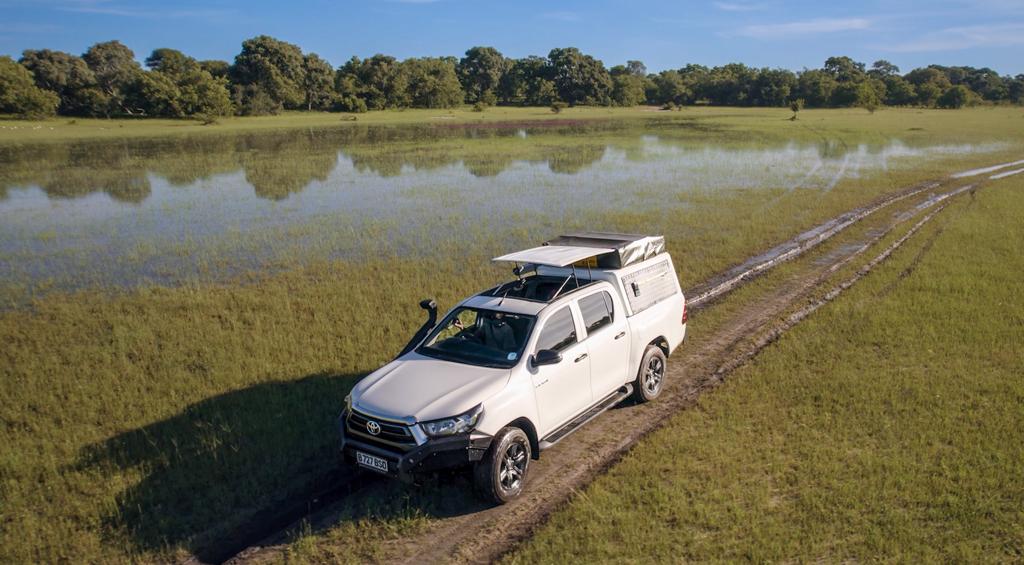

A self drive safari in Botswana offers an unparalleled opportunity to explore the country’s stunning wilderness at your own pace.
From the vast Okavango Delta to the wildlife-rich Chobe National Park, Botswana is a fantastic place for a self drive safari, boasting abundant wildlife including elephants, lions, giraffes, and more. With proper planning and preparation, you can enjoy a successful self drive safari experience that creates lifelong memories in this incredible country. Botswana requires thorough preparation for self-driving due to its remote, wild terrain.
In this blog, I share tips for planning your next self-drive safari through Botswana’s beautiful destinations.
What is a Self Drive Safari?
A self drive safari is an exciting way to explore wildlife and natural landscapes independently by driving your own vehicle through national parks and reserves.
Unlike guided tours, a self drive safari gives you the freedom to set your own pace, choose your routes, and spend as much time as you want observing wildlife and enjoying the scenery. It is crucial to familiarize yourself with local traffic rules and wildlife behavior before driving in Botswana to ensure a safe and enjoyable experience.
This type of safari offers a more personal, immersive experience, as you control your itinerary and can venture into less-crowded or off-the-beaten-path areas.
It’s a popular choice for travelers who enjoy adventure, flexibility, and the thrill of discovering nature on their own terms.
Why You Should Go on a Self Drive Safari in Botswana
Botswana is one of the world’s premier safari destinations, offering vast wilderness areas teeming with diverse wildlife.
Choosing a self drive safari in Botswana allows you to experience this incredible country uniquely and intimately. Botswana is one of the safest countries in Africa for driving, making it an ideal destination for travelers seeking independence and adventure.
You can explore iconic locations like the Okavango Delta, Chobe National Park, and the Kalahari Desert at your own pace, stopping whenever you want to capture an elephant sighting or enjoy a quiet moment in nature.
Self driving also provides the flexibility to tailor your trip to your interests, whether that’s bird watching, camping under the stars, or visiting specific areas less accessible by guided tours.
Additionally, a self drive safari can be more budget-friendly and adventurous, giving you a fair share of memorable wildlife encounters and the freedom to connect with Botswana’s wild heart truly.
1. Choose the Right Vehicle: Rent a 4×4 for Your Self Drive Safari
For navigating Botswana’s diverse terrain, especially in national parks and remote areas, renting a 4×4 vehicle is essential.
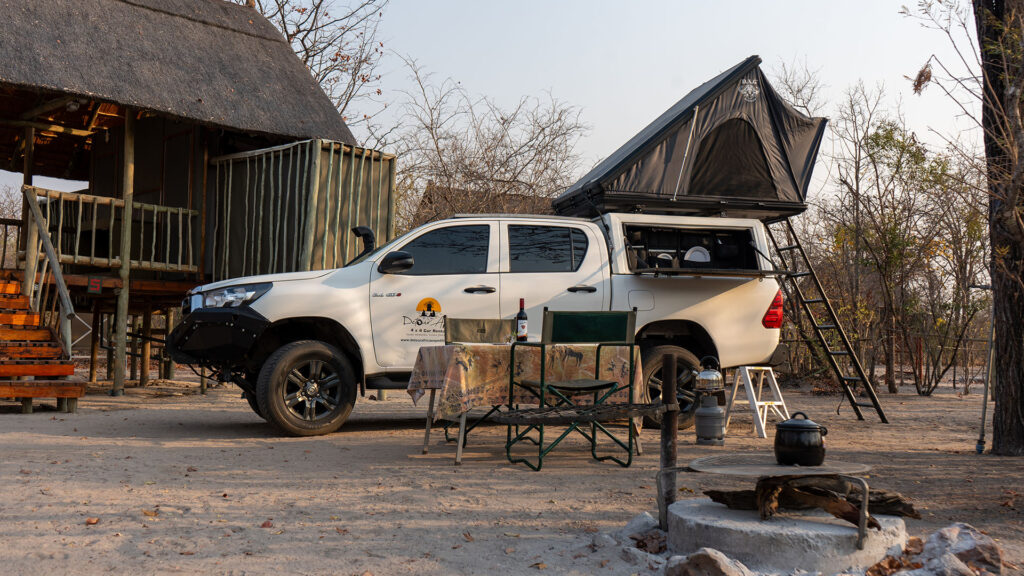
A robust 4×4, such as a Toyota Land Cruiser, is well-suited for off-road driving, handling deep sand, rocky tracks, and uneven surfaces with ease. Road conditions in Botswana vary main roads are generally tarred, while rural and park roads can be dirt, gravel, or deep sand.
In Botswana, cars drive on the left-hand side of the road, so ensure you are comfortable with this before starting your journey. When hiring your 4×4 self drive car, ensure it comes equipped with necessary accessories like a spare tire, high-lift jack, and recovery gear.
Checkpoints are common in Botswana, where government officials check vehicle registration and condition, so be prepared for these stops during your journey.
Renting from a reputable car rental company that specializes in safari vehicles will give you peace of mind and reliable support during your trip.
2. Plan Your Itinerary According to Seasons
Botswana’s climate varies between the wet season and dry season, which affects road conditions and wildlife behavior.
The dry season, from May to October, is the best time for game viewing as animals gather around water sources. Book campsites and lodges well in advance, especially for peak season from May to October, to secure your accommodations during this popular travel period.
The wet season brings lush landscapes and birdlife but can make some roads challenging. Planning your trip with awareness of the season will help you maximize wildlife sightings and avoid getting stuck on muddy or flooded roads.
3. Prepare for Off-Road Driving and Challenging Terrain
Botswana’s roads, especially in national parks like Chobe National Park and the Okavango Delta, can be rough with potholes, sand, and gravel. The highways in Botswana are paved but not always in the best condition, so drivers should remain cautious even on main roads.
Animal crossings are frequent on Botswana’s roads, especially at night, so drivers should remain vigilant. Familiarize yourself with off-road driving techniques such as driving through deep sand and crossing water stretches safely.
Always drive slowly and cautiously, especially in areas with poor visibility or wildlife crossings. Driving after dark in Botswana is discouraged due to the risk of wildlife collisions and reduced visibility. Avoid off-road driving where prohibited to protect the environment and for your own safety.
4. Pack Essential Supplies and Safety Gear
Bring plenty of water, non-perishable food, a comprehensive first-aid kit, and sun protection, such as sunscreen and sunglasses.
Petrol stations can be few and far between in Botswana, so it’s important to fill up when possible to avoid running out of fuel in remote areas. Pack a comprehensive first-aid kit and necessary medications to be prepared for any health-related emergencies during your trip.
Carry a satellite phone or two-way radios for communication in remote areas with limited mobile coverage.
Having a good map or GPS device is crucial for navigation. Also pack binoculars and a camera to capture your wildlife sightings. Carrying a satellite phone is vital for emergencies in areas with poor mobile coverage.
5. Understand and Follow Park Rules and Regulations
When driving in Botswana’s national parks, always stay on designated roads and respect wildlife by maintaining a safe distance.
Avoid disturbing animals and never feed them. Observe speed limits to ensure safety for both wildlife and yourself. Be mindful of the park’s opening and closing times, and plan your game drives accordingly.
6. Be Prepared for Emergencies
Know how to handle everyday emergencies such as a flat tire or vehicle breakdown.
Stay with your vehicle if you get stuck and use your communication devices to call for assistance. Traveling in convoy with at least two vehicles is highly recommended in remote areas of Botswana.
Inform someone of your itinerary and expected return times so help can be dispatched if necessary. This precaution is essential in remote areas where assistance may not be readily available.
Also, take precautions to prevent the spread of foot-and-mouth disease by following vehicle and footwear disinfection protocols at border crossings or park entrances.
7. Cross Borders with the Right Documentation
If your itinerary includes visiting neighboring countries like Namibia, Zambia, or South Africa, ensure you have all necessary documents, including a valid passport, visas, car insurance, and permits for cross-border travel.
Check regulations about transporting food or plant,s and be respectful of local customs and border officials.
8. Timing Your Game Drives for the Best Wildlife Viewing
Early morning and late afternoon are the best times for game viewing as animals are more active during these cooler parts of the day.
Use this extra time to spot predators, enjoy birdlife, and witness animals gathering at watering holes. Be patient and observant, as wildlife encounters can occur anywhere, including near roads or around campsites.
9. Respect Other Safari-goers and the Environment
When encountering other vehicles on narrow roads or at animal crossings, be courteous and pull off the road to allow others to pass.
Avoid lingering too long at popular sightings to give everyone a chance to enjoy the experience. Always dispose of waste properly and minimize noise to preserve the wilderness’s tranquility.
10. Embrace the Adventure and Stay Flexible
A self drive safari in Botswana is an adventure filled with unexpected moments. Road conditions, wildlife sightings, and weather can change plans quickly.
Allow extra time in your itinerary for detours, extended game viewing, or rest stops. Enjoy the freedom of self driving by setting your own pace and immersing yourself fully in Botswana’s breathtaking landscapes and wildlife.
Conclusion
Self driving in Botswana offers a unique and rewarding way to experience the country’s natural beauty and wildlife. By choosing the right 4×4 vehicle, planning according to seasons, preparing for challenging terrain, and following safety and park regulations, you can ensure a successful self drive safari.
Embrace the freedom, stay prepared, and enjoy an unforgettable journey through Botswana’s wilderness.
Frequently Asked Questions (FAQ) About Self Driving in Botswana
Do I need a 4×4 vehicle for self driving in Botswana?
While you do not need a 4×4 if you plan to stick to the main tarred roads, a 4×4 is essential for driving in national parks, remote areas, and off road terrain like deep sand and gravel.
Is it safe to drive in Botswana?
Yes, Botswana is considered one of the safest countries in Africa for driving. However, always remain cautious, avoid driving after dark, and follow safety protocols.
Can I drive across borders into neighboring countries with my rental car?
Yes, but ensure you have all necessary documentation including passports, visas, car insurance, and permits for cross-border travel. Check with your car rental company about border crossing permissions.
What should I pack for a self drive safari in Botswana?
Essentials include plenty of water, non-perishable food, a first aid kit, sun protection, binoculars, a camera, a GPS or map, and communication devices like a satellite phone or two-way radios.
Are there petrol stations along the routes in Botswana?
Petrol stations can be sparse in remote areas, so it’s important to fill up your tank whenever you find a station, especially before entering less populated regions.
What are the best times for wildlife viewing during a self drive safari?
Early mornings and late afternoons are the best times for game viewing, as animals are more active during these cooler parts of the day.
Can I drive off-road in Botswana’s national parks?
No, off-road driving is strictly prohibited in Botswana’s national parks to protect wildlife and their habitats. Always stay on designated roads.
How do I handle emergencies like a flat tire or getting stuck?
Stay with your vehicle, use your communication device to call for assistance, and if possible, travel in convoy with another vehicle for added safety.
Is it necessary to inform someone about my itinerary?
Yes, informing a trusted person about your travel plans and expected return time is crucial for safety, especially when traveling in remote areas.
What precautions should I take at border crossings?
Be prepared to disinfect your vehicle and footwear to prevent the spread of foot and mouth disease. Have all your documents ready and be respectful to border officials.